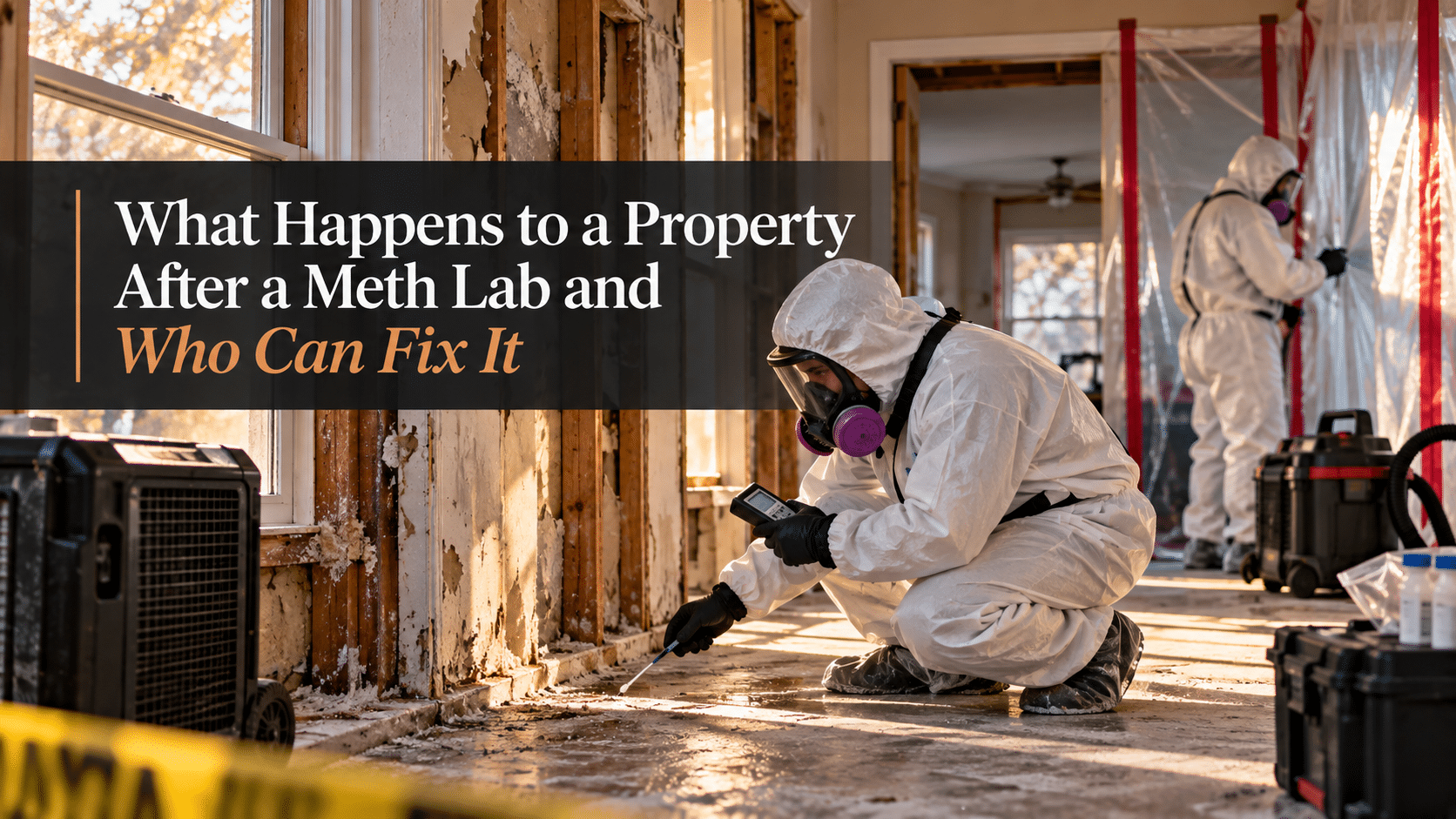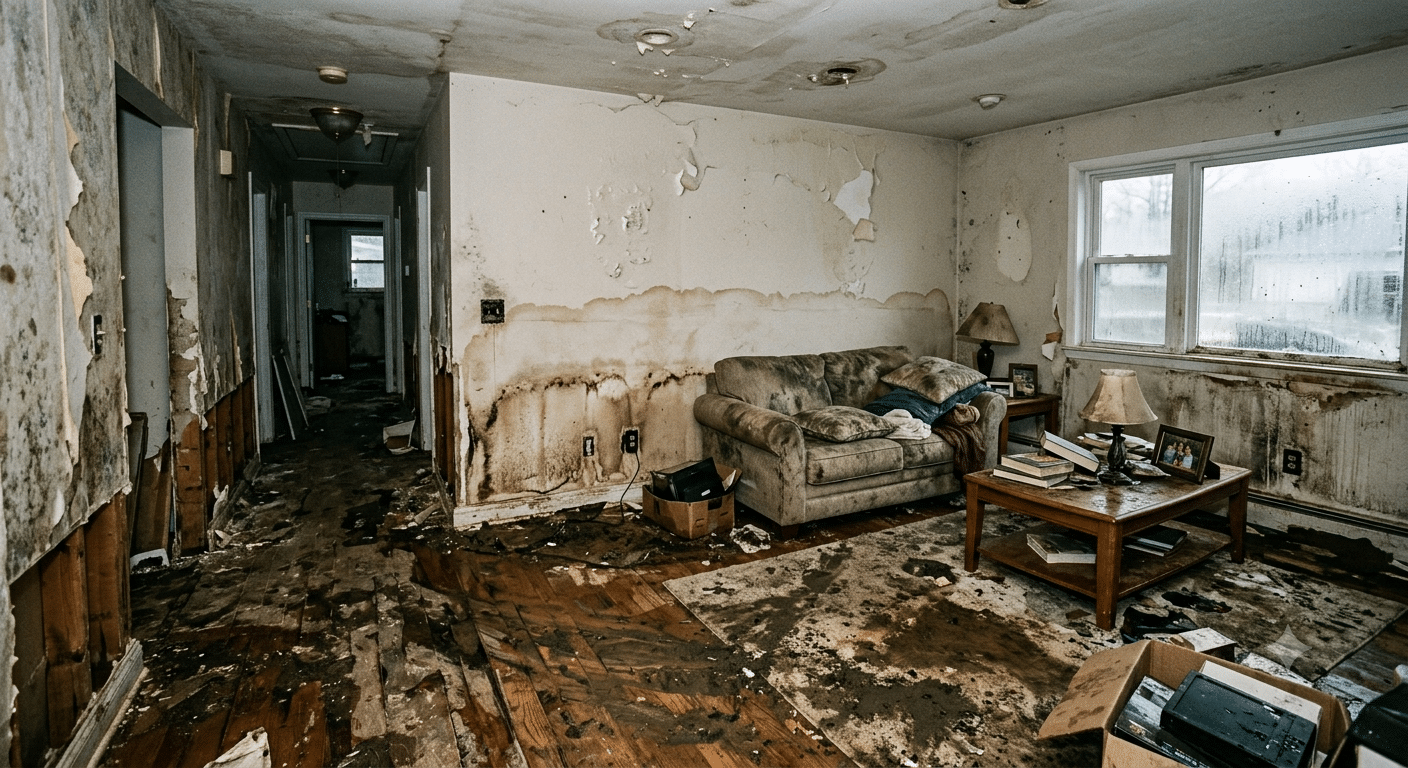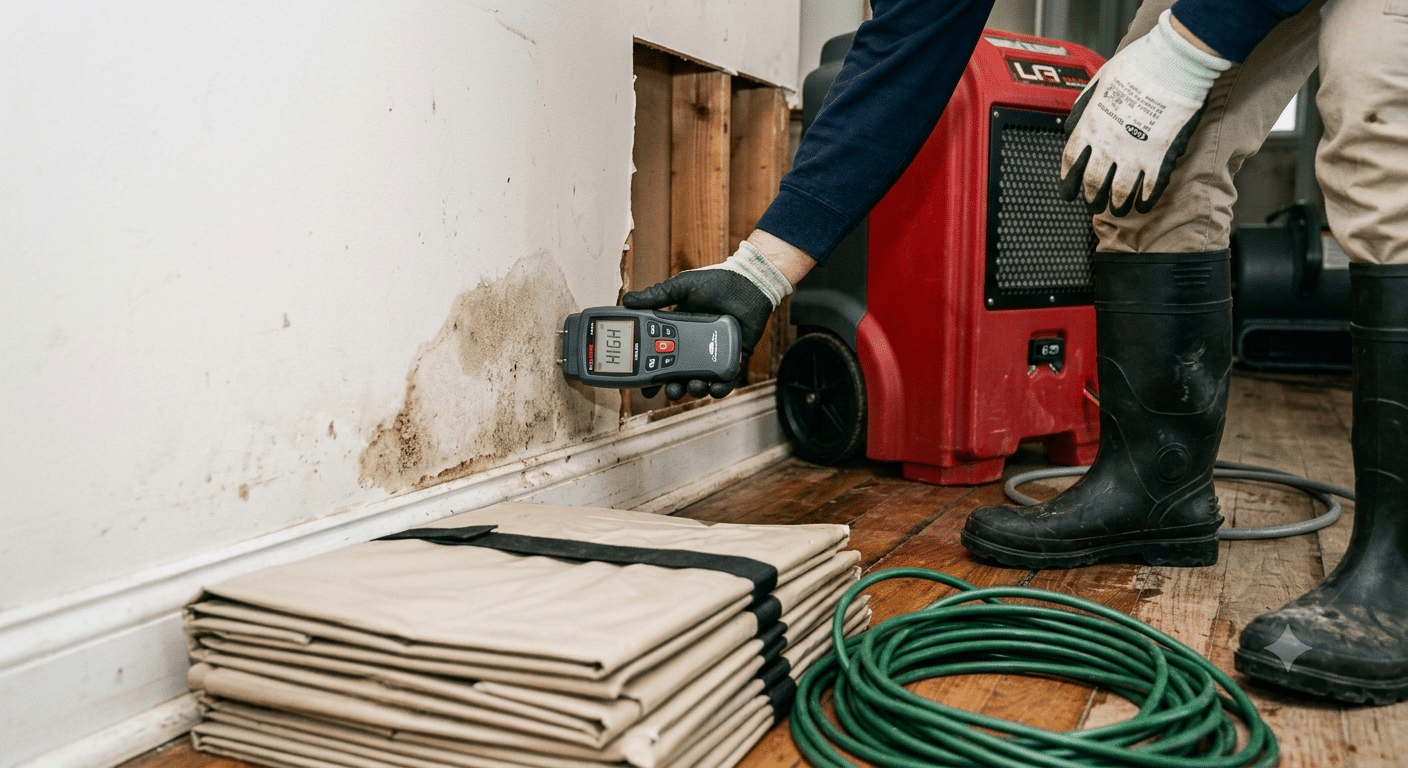
A property that was used as a methamphetamine laboratory is not simply dirty. It is…
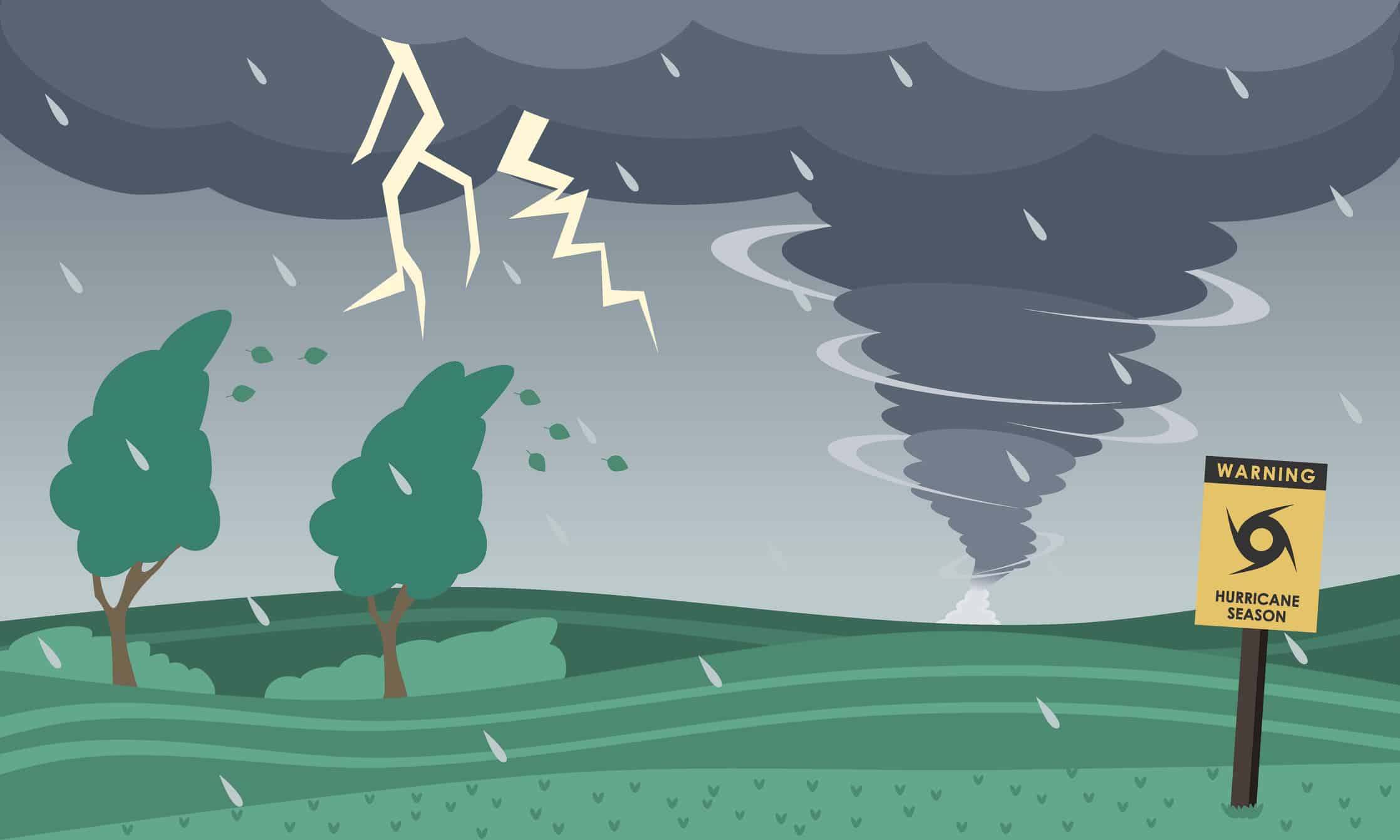
What Lightning Storms Have to Do With House Fires
A Connection Most Homeowners Don’t Think About
Colorado’s Front Range sees some of the most active lightning activity in the country during summer storm season, and most of the conversation around that activity focuses on wildfire risk in open terrain. Less discussed is what happens when lightning strikes a structure directly, or when storm-related electrical surges damage wiring in ways that don’t cause an immediate fire but create a serious hazard days or weeks later. Understanding this connection between severe weather and residential fire risk helps property owners recognize warning signs they might otherwise dismiss as unrelated storm damage.
How a Lightning Strike Actually Damages a Home
A direct lightning strike to a structure or nearby utility line sends an enormous electrical surge through a home’s wiring system in a fraction of a second. This surge can instantly ignite materials at the point of entry, often the roofline, an attic, or wherever the strike finds a path to ground. Just as often, the damage isn’t immediately visible. Wiring insulation can be compromised without an immediate fire resulting, leaving behind exposed or weakened connections that create a fire risk under normal electrical load days or even weeks after the storm has passed. This delayed risk is part of why electrical systems should be inspected after any direct or near-direct lightning event, even if no fire occurred at the time.
When a Storm-Caused Fire Requires Immediate Response
When a lightning strike does cause an active fire, the situation moves fast, and the response needs to match that pace. This is exactly the scenario that calls for emergency fire damage cleanup, since storm-related fires often start in attic or roof spaces where they can spread along framing before becoming visible inside the living space. Fire crews extinguish the immediate flame, but the restoration work that follows, addressing smoke penetration, structural assessment, and any water used during firefighting, needs to begin immediately afterward to prevent secondary damage from compounding the original fire loss.
Why Storm-Related Fires Often Involve More Complexity
A fire caused by an electrical storm frequently comes paired with other storm damage: wind-driven debris on the roof, hail impact compromising shingles, or heavy rain that entered the structure during or after the fire event. This combination means the restoration scope often extends beyond standard fire cleanup. Property owners in this situation benefit from working with a fire damage restoration company that can coordinate fire, smoke, and storm-related repairs under one project plan rather than treating each as a separate claim handled by different contractors on different timelines.
What to Check After Severe Lightning Activity
Even without a visible fire, homeowners who experienced a nearby or direct lightning strike should watch for warning signs over the following days: outlets or switches that feel warm, a persistent burning smell without an obvious source, flickering lights unrelated to the storm itself, or breakers that trip more frequently than usual. These can indicate compromised wiring that didn’t ignite immediately but remains a latent fire risk. Any of these signs warrant a professional electrical inspection, and if a fire does eventually develop, contacting a team offering fire damage repair services quickly limits how far smoke and heat damage spreads before mitigation begins.
Working With Experts Who Understand Both Sides
Because storm-caused fires sit at the intersection of two different damage categories, the technicians handling the restoration need to understand both. This is the value of working with house fire restoration experts who also have direct experience with storm damage assessment, since they can identify whether wind, hail, or water complicated the fire event and build a restoration plan that addresses everything in the right sequence rather than missing a secondary issue that surfaces after the primary fire damage has already been repaired.
Questions Homeowners Ask
| Can lightning damage wiring without causing a fire? | Yes. A surge can compromise wiring insulation without immediate ignition, creating a latent fire risk that may not become apparent until days or weeks after the storm. |
| What are warning signs after a nearby lightning strike? | Warm outlets or switches, a persistent burning smell, unusual flickering lights, or breakers tripping more often than normal can all indicate compromised wiring that warrants a professional electrical inspection. |
| Why are storm-caused fires more complex to restore? | They often come paired with wind, hail, or water damage from the same storm event, requiring coordinated repairs across multiple damage categories rather than a single, isolated fire restoration scope. |
| Where do lightning-caused fires usually start in a home? | Most often at the point of electrical entry, frequently the roofline, attic space, or wherever the strike finds a path to ground, which allows fire to spread along framing before becoming visible inside the home. |
Related Posts