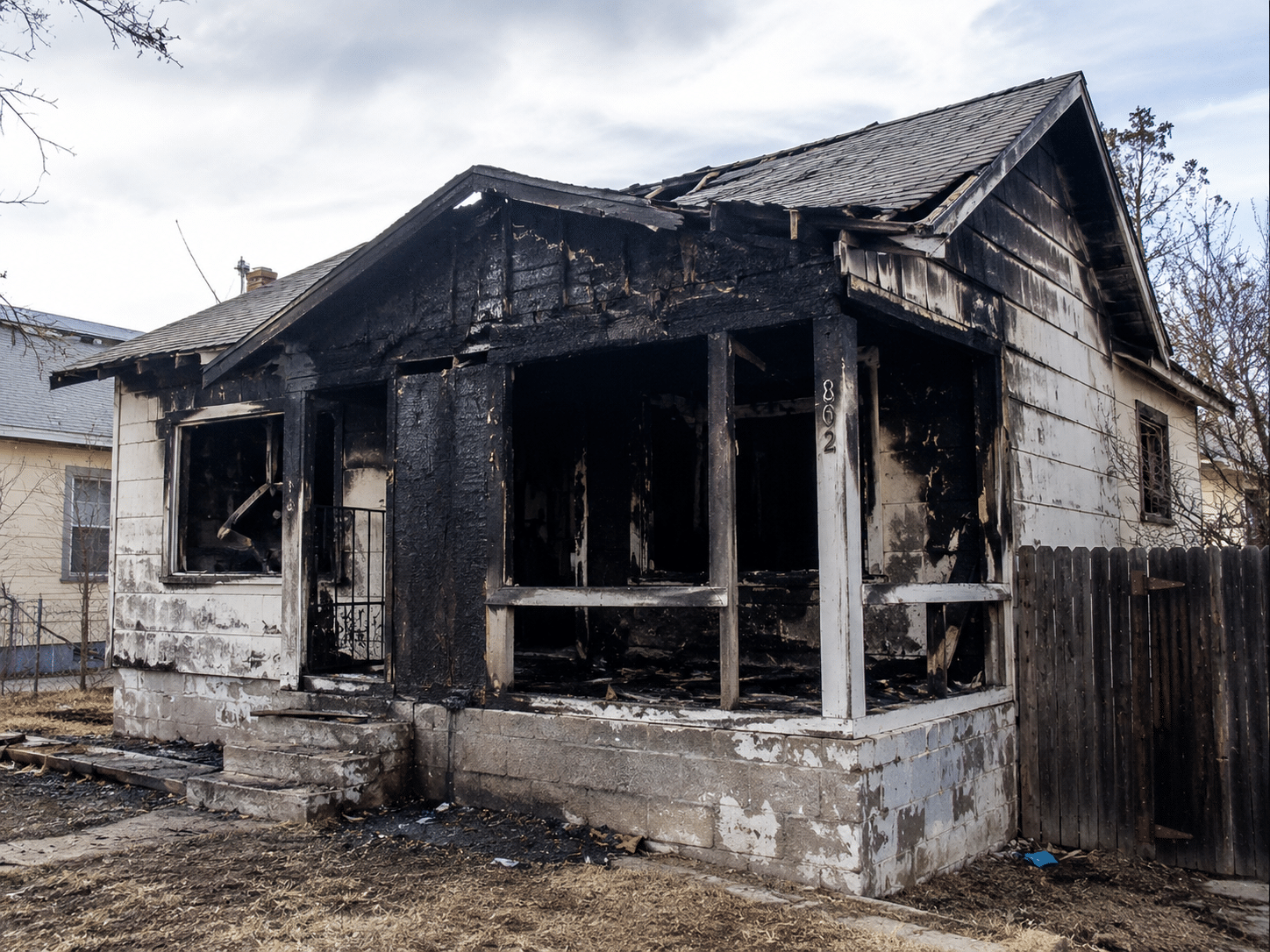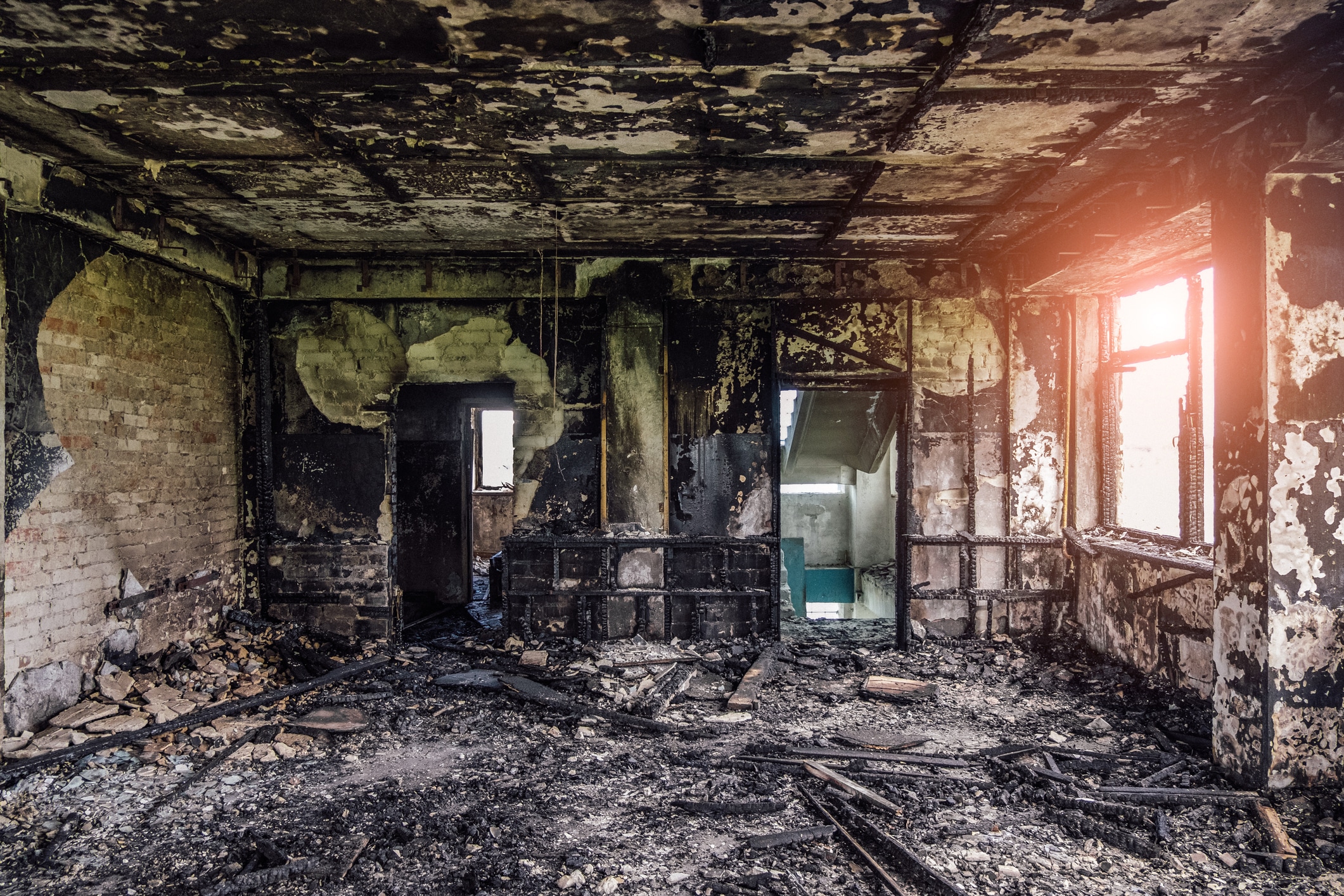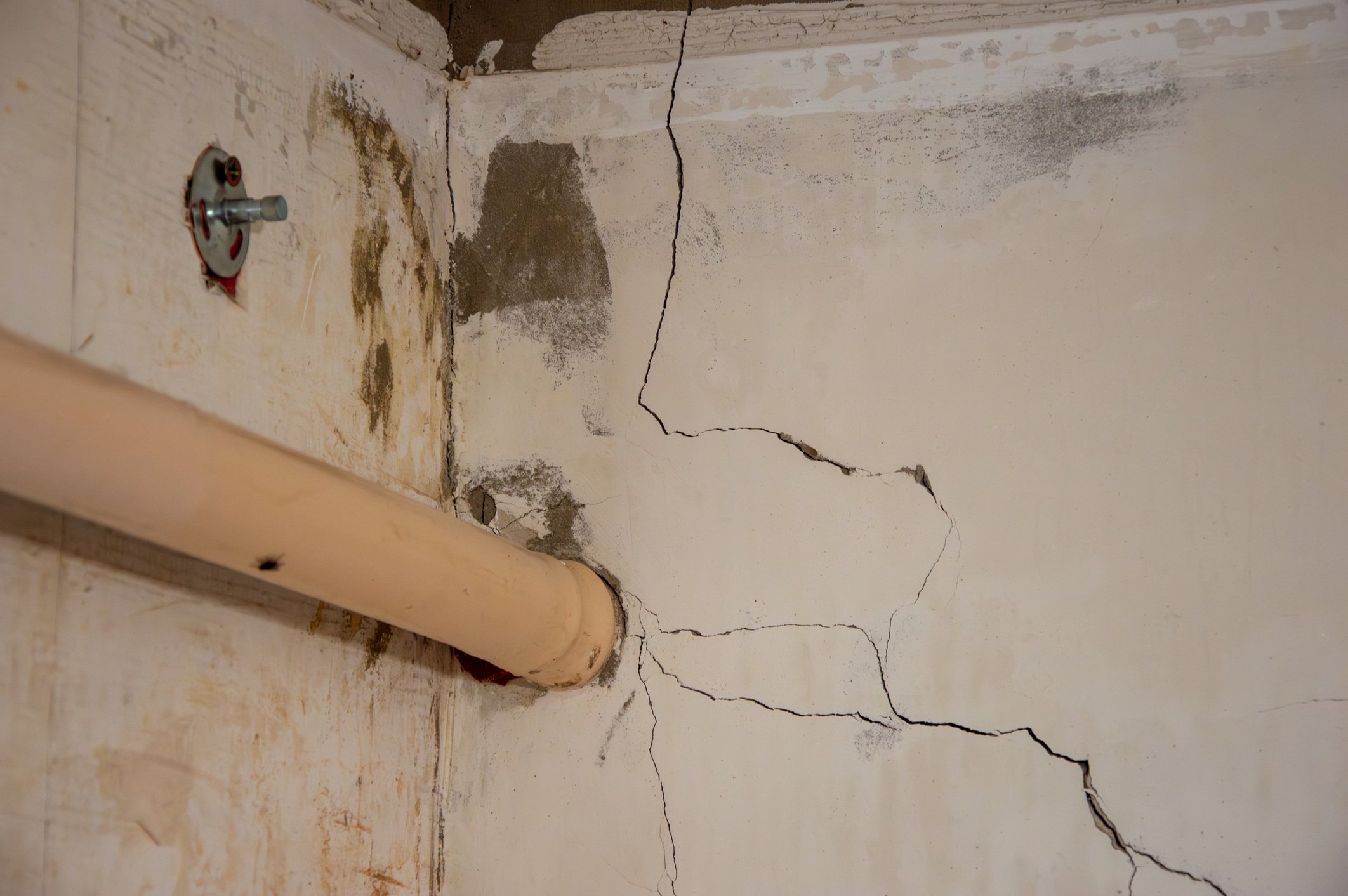
The things you should not do after a house fire are: re-enter before the structure…
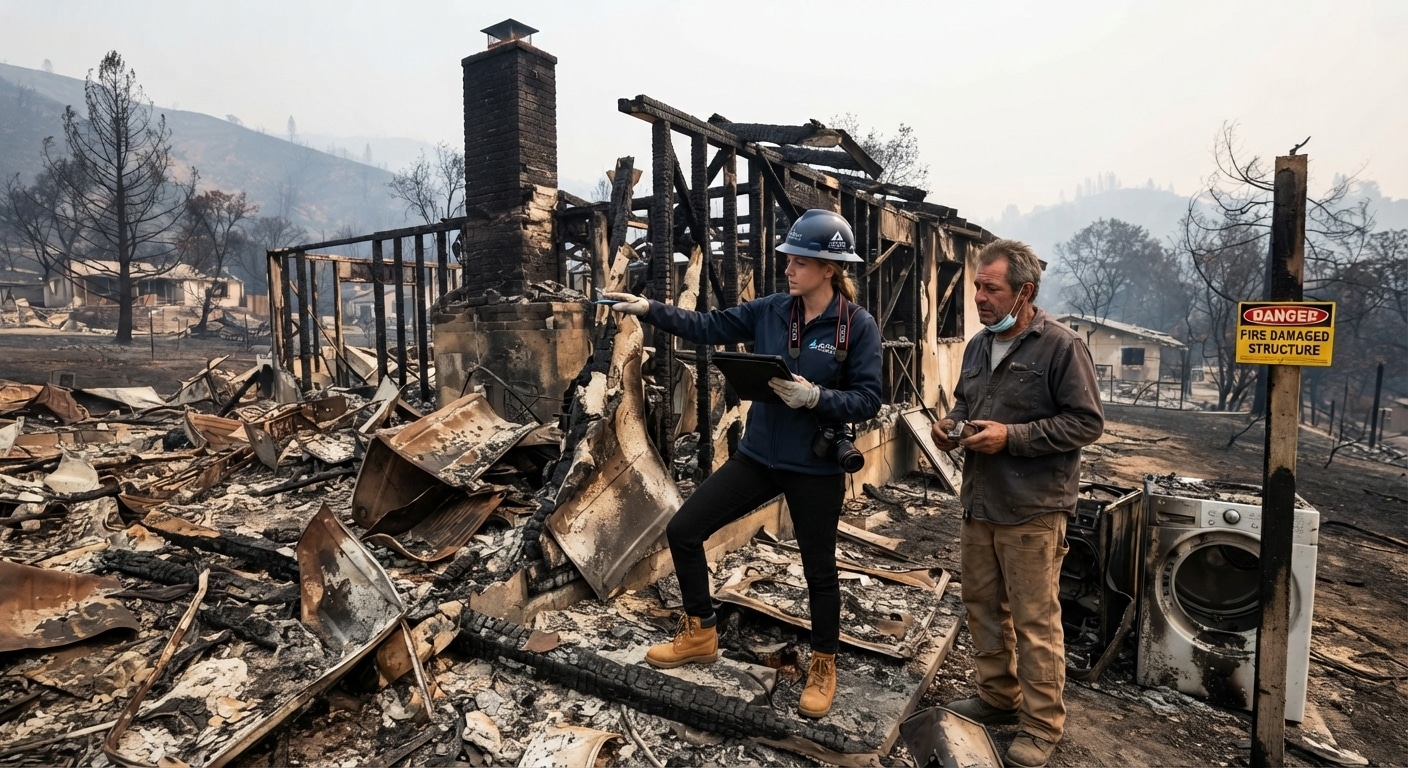
What to Assess When You Return Home After a Wildfire Evacuation
Returning home after a wildfire evacuation is a moment of relief and uncertainty simultaneously. The structure is standing. The neighborhood made it. But a home that survived a nearby wildfire without catching fire is not undamaged. Smoke infiltration, ash fall contamination, heat damage to exterior components, and in some cases structural concerns from proximity to fire lines all require assessment before the home is treated as fully safe to return to for normal living. Understanding what to look for when you return gives you the information you need to make the right decisions.
Exterior Assessment Before Entering the Home
The first assessment is outside. Look at the roof surface for heat-related shingle damage, melting of materials on vent caps and flashing, and any evidence of ember contact including small burn marks on decking, siding, or window frames. Check gutters for ash accumulation. Examine the exterior HVAC condenser, any propane or natural gas meters, and electrical service entrance for evidence of heat exposure.
Do not enter the home if any structural compromise is visible from the exterior, if you smell gas, or if there are any downed electrical lines anywhere on or near the property. If the structure appears intact, enter carefully and check for smoke smell, ash inside the home from infiltration through ventilation gaps, and any signs of interior heat exposure near windows or exterior walls. Property Craft’s fire damage and smoke damage restoration assessments for wildfire-adjacent properties begin with the exterior walkthrough before any interior assessment.
Smoke Infiltration Inside the Home
A home that was in a wildfire smoke plume for hours or days has absorbed smoke compounds through every gap in the building envelope. HVAC return vents that ran during the event pulled smoke through the duct system. Smoke entered through window frame gaps, electrical outlets on exterior walls, and ventilation openings. The interior surfaces that look clean may have absorbed odor compounds and fine particulates from the wildfire smoke at levels that will become apparent when the home warms up.
Air quality testing after wildfire exposure is the only reliable way to determine what the indoor air contains. A home that smells like smoke has obviously been infiltrated, but fine particulate and volatile organic compound levels from wildfire smoke can be elevated at health-relevant concentrations without producing obvious odor. Property Craft includes air quality assessment in the scope of smoke damage restoration for wildfire-adjacent properties, providing the measurement rather than relying on sensory evaluation to determine whether the home is safe to occupy.
Ash Contamination on the Property
Ash from wildfires that burned structures and vehicles in the area contains toxic compounds. Do not disturb dry ash with sweeping or dry brushing that resuspends it into the air. Wet suppression before removal is the correct approach. Ash on garden areas, play equipment, decking, and any surfaces where children or pets may have contact should be addressed before the property is used normally. Property Craft’s biohazard cleanup protocols apply to wildfire ash cleanup when the contamination profile warrants more than standard cleaning.
HVAC System Inspection After Wildfire Smoke
The HVAC system that ran during the wildfire smoke event has distributed smoke compounds through the entire duct system. Restarting the system before duct cleaning is complete redistributes duct-surface contamination to every room connected to the system. Property Craft’s assessment for wildfire-adjacent properties includes the HVAC system as a primary inspection area, with duct cleaning included in the restoration scope for homes where the system ran during the exposure period. The smoke damage restoration scope is not complete until the duct system that redistributes smoke compounds is addressed.
What Insurance Covers After a Wildfire Near-Miss
Smoke and ash damage to a home that survived a wildfire is covered under standard homeowner policies as smoke damage from a fire event. The policy does not require the fire to have burned the insured structure. Smoke damage from a nearby wildfire that infiltrated the home is the same coverage category as smoke damage from a fire that originated in the home.
Document everything before any cleanup begins. Air quality test results, photographs of ash accumulation inside and outside the home, and any visible evidence of smoke infiltration through specific pathways establish the claim. Property Craft prepares this documentation as part of the post-wildfire fire damage assessment for Colorado properties, giving the adjuster the evidence record needed to process the smoke damage claim accurately.
Frequently Asked Questions
Q: Is a home that survived a Colorado wildfire safe to return to immediately?
A: Not necessarily without assessment. A home that survived without burning may have smoke infiltration with elevated particulate and VOC levels, ash contamination on surfaces inside and outside the home, HVAC system contamination from running during the smoke event, and potential structural concerns from heat exposure near the fire line. An assessment that includes air quality testing is the appropriate first step before treating the home as safe for normal occupancy.
Q: Does homeowners insurance cover smoke damage from a wildfire that did not burn my house?
A: Yes. Smoke and ash damage from a nearby wildfire event is covered under standard homeowner policies as smoke damage from a fire. The policy does not require the fire to have burned the insured structure to trigger smoke damage coverage. Document the smoke infiltration and ash contamination before any cleanup begins, and open the claim with your carrier before restoration work starts.
Q: How long does wildfire smoke remain in a home after the fire?
A: Smoke compounds that infiltrated the home and absorbed into porous surfaces persist indefinitely without professional treatment. The odor from embedded compounds releases and reactivates as temperature and humidity conditions change seasonally. A home that smells acceptable in cool dry conditions may have strong smoke odor when the interior warms up in summer or when humidity rises. Professional treatment that addresses embedded compounds in porous materials, not just surface cleaning, eliminates this persistent re-activation pattern.
Q: What is the correct way to clean wildfire ash from exterior surfaces?
A: Wet the ash down with a gentle water spray to suppress dust before any cleaning begins. Never sweep or blow dry wildfire ash, which resuspends the contaminated particles into the breathing zone. HEPA-filtered wet-vac or careful wet-mop removal of suppressed ash from hard surfaces. Ash on porous surfaces including wood decking and concrete may require chemical cleaning after the ash is removed. Dispose of collected ash in sealed bags through appropriate waste channels.
Wildfire smoke or ash damage to your Colorado property? Property Craft provides wildfire damage assessment, smoke remediation, and air quality confirmation across Colorado Springs, Pueblo, Pueblo West, Loveland, Greeley, and Longmont. Call now.
Related Posts