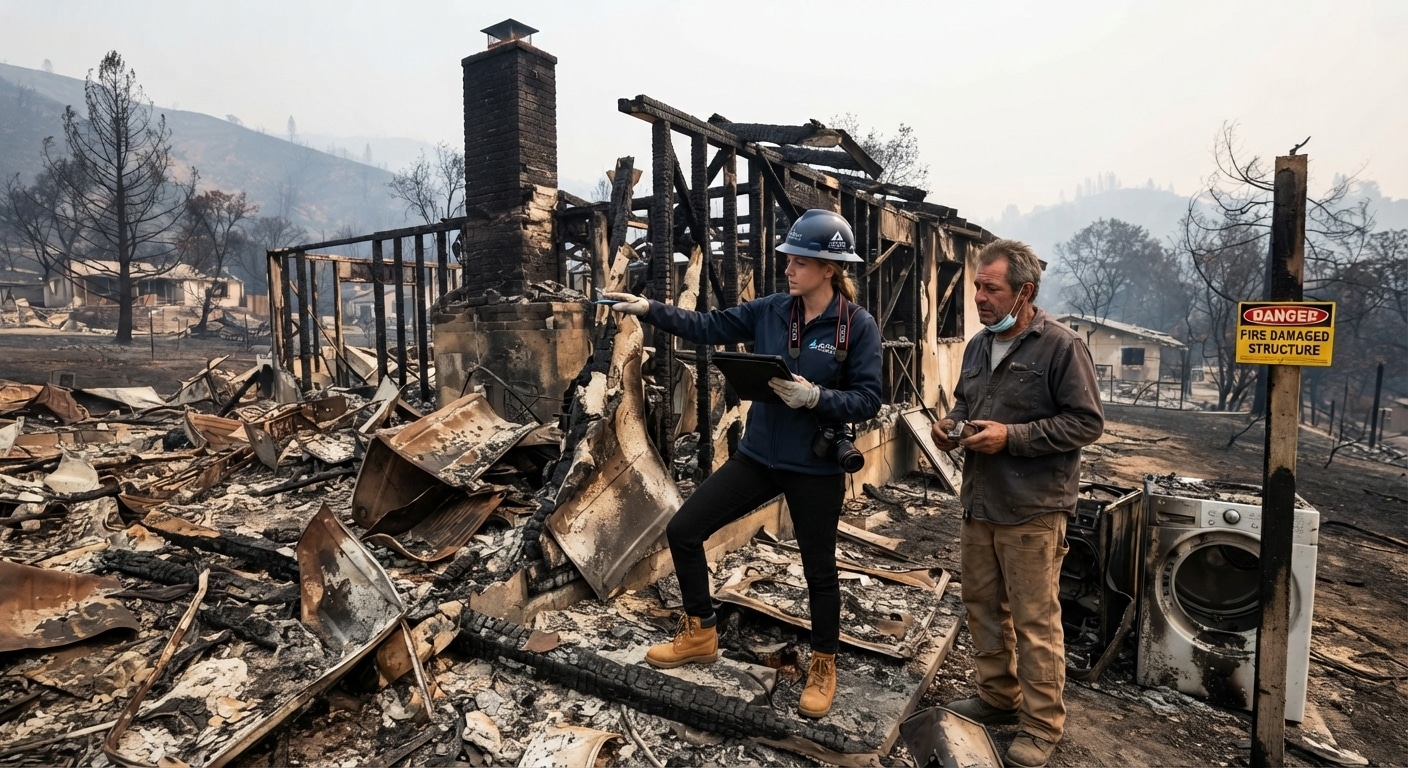
Returning home after a wildfire evacuation is a moment of relief and uncertainty simultaneously. The…
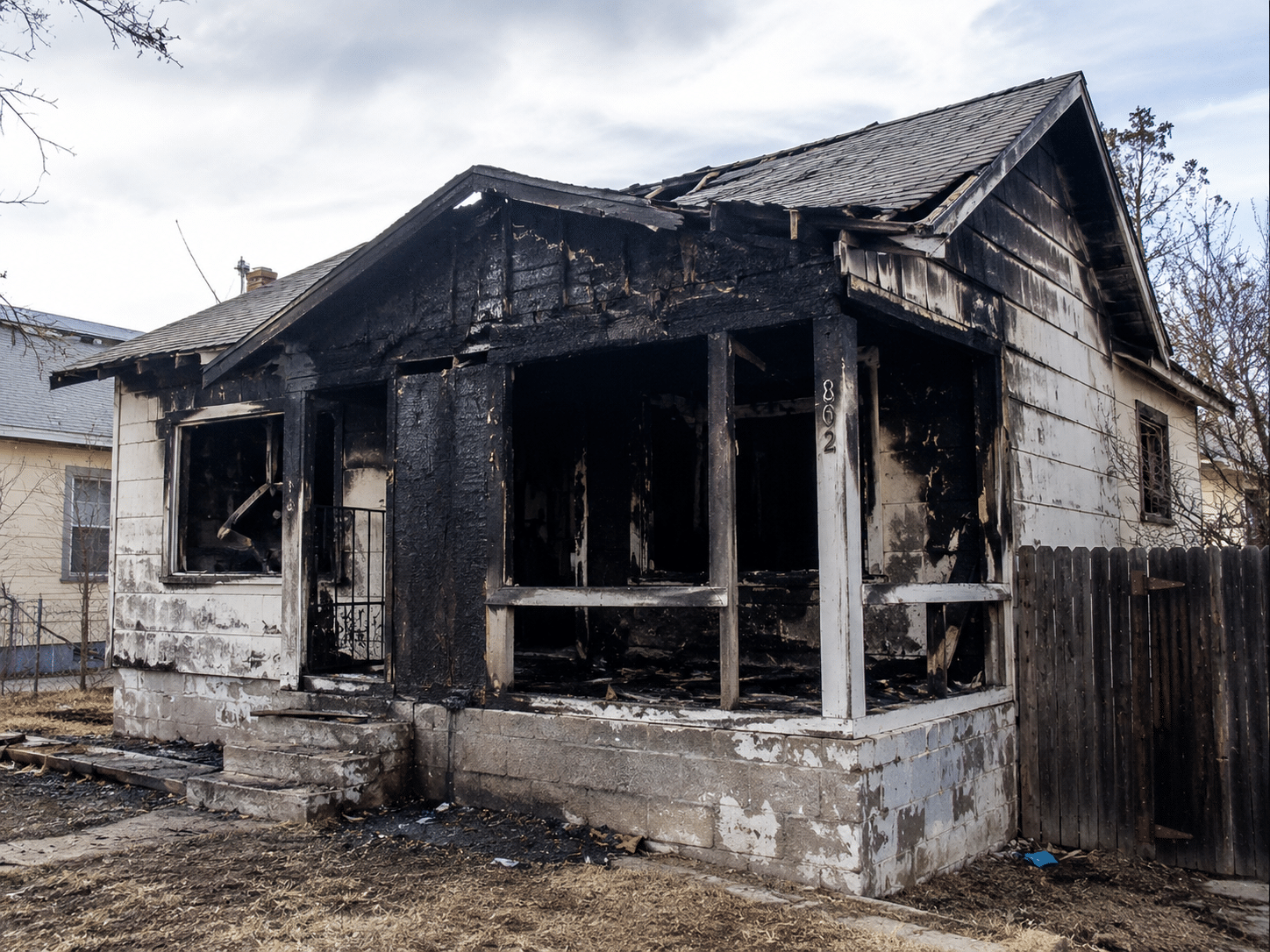
What Should You Not Do After a House Fire?
The things you should not do after a house fire are: re-enter before the structure is professionally cleared, clean soot with water or household cleaners, throw away damaged items before they are inventoried, turn on utilities before they are inspected, and start repairs before the insurance adjuster has completed their assessment. Each of these mistakes either creates a safety risk or damages your insurance claim.
The first hours after a fire are disorienting. Having a clear list of what not to do is as important as knowing what to do.
Do Not Re-Enter Until the Structure Is Cleared
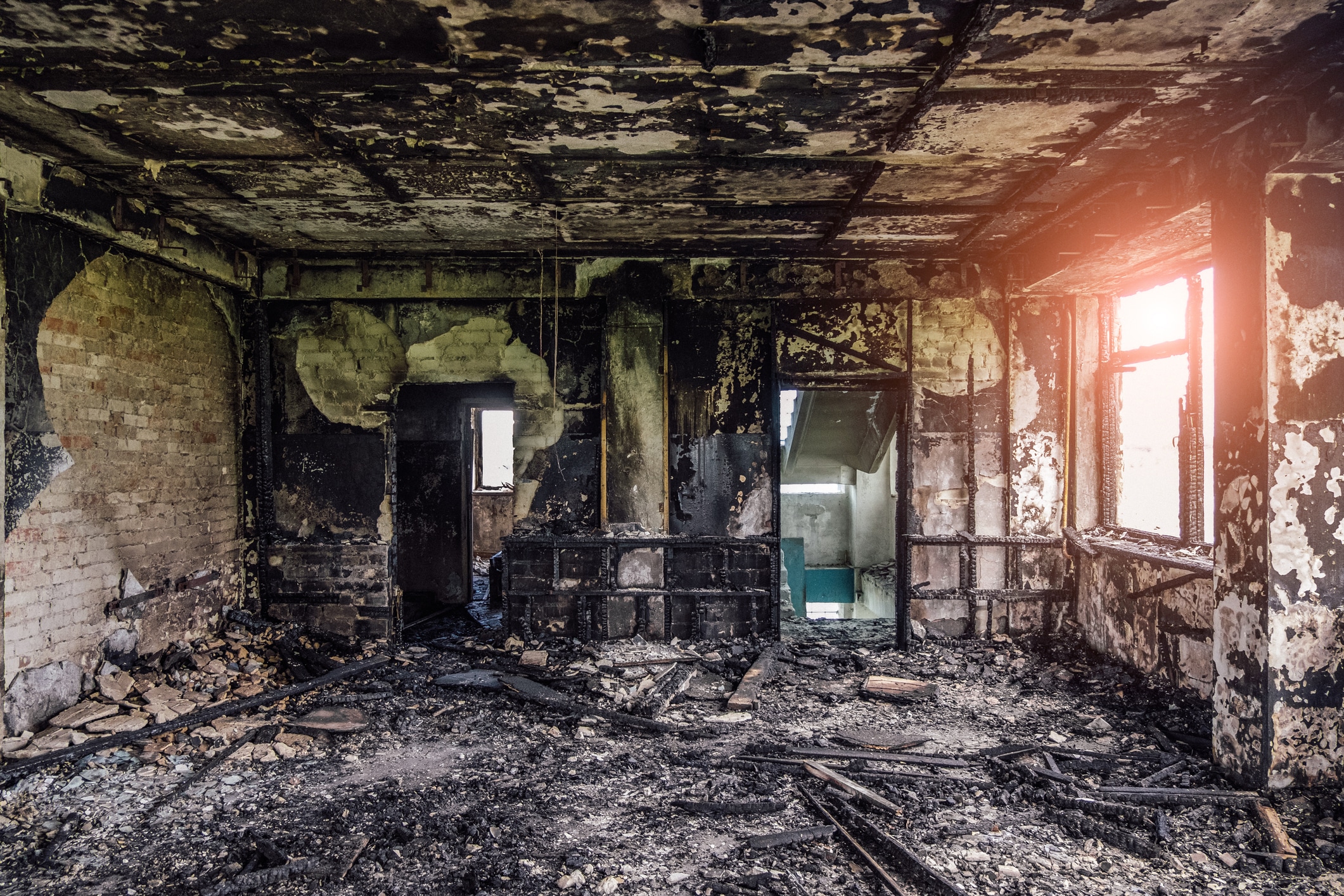
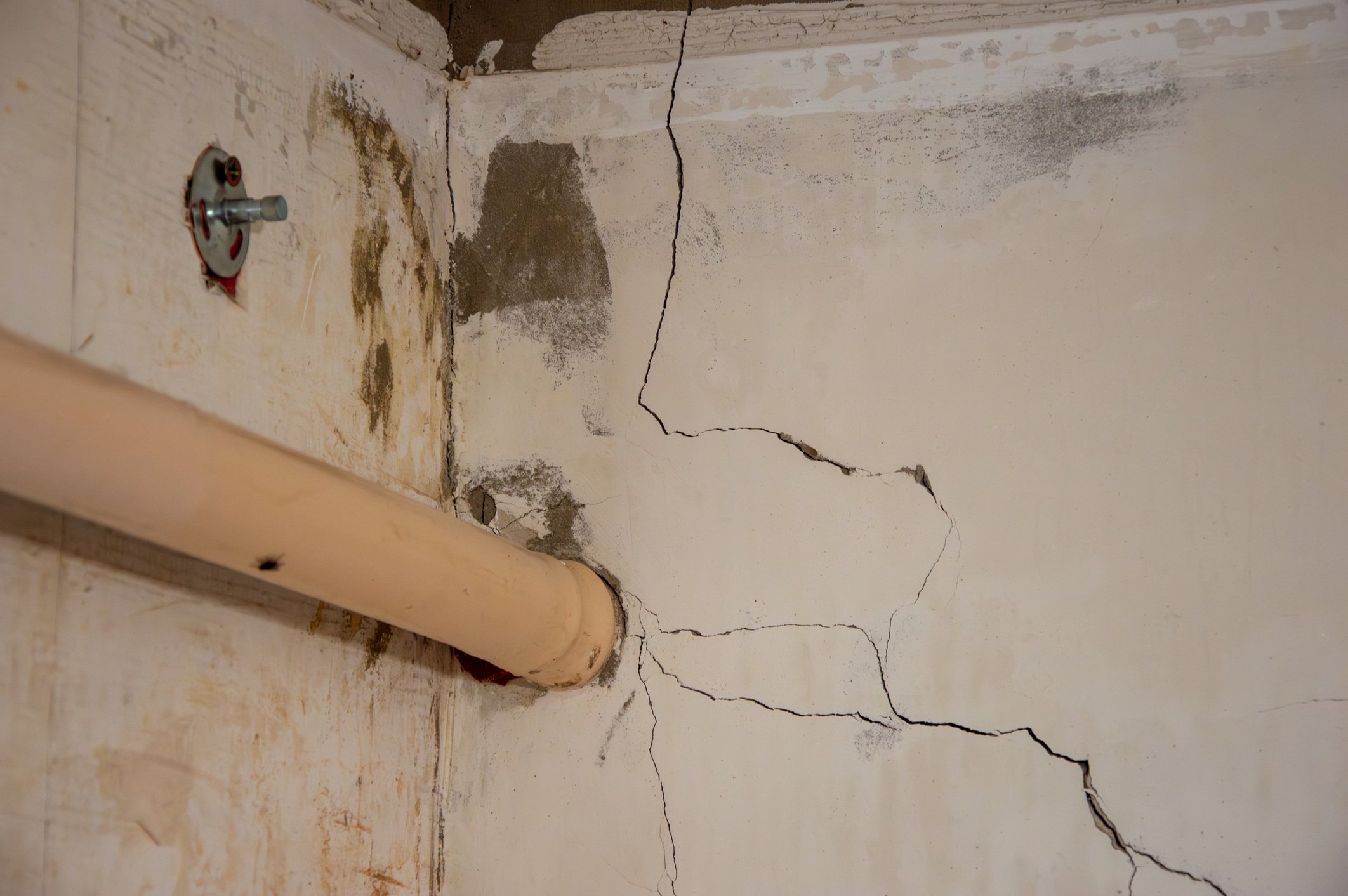
The fire department clears the scene for emergency responders, not for occupant re-entry. Structural safety after a fire requires a separate assessment. Heat compromises wood framing, steel connections, and masonry in ways that are not visible from inside the home. Floors that look intact can fail under normal foot traffic. Ceilings can drop without warning. Electrical systems exposed to heat and water create shock hazards.
Beyond structural risk, smoke residue throughout the home contains toxic combustion byproducts. Entering without respiratory protection means breathing those compounds directly.
Homeowners in Colorado Springs who want to retrieve valuables or assess damage after a fire should wait until a certified restoration company has completed a structural safety walk before entering for any reason. Fire damage restoration and structural assessment in Colorado Springs includes an entry clearance assessment as a standard first step so homeowners know when and where it is safe to be inside the property.
Do Not Clean Soot With Water or Household Cleaners
This is the mistake that turns recoverable surfaces into replacements. Soot is a dry, acidic residue that requires dry cleaning methods first. Dry chemical sponges and HEPA vacuuming lift soot from surfaces without pushing it deeper into the material. Applying water or liquid cleaners to soot before dry cleaning it drives the soot into porous surfaces and sets the staining permanently.
Household cleaners are not formulated for soot chemistry. They may remove some surface residue while permanently setting the contamination in the material below the surface. What appears clean immediately after treatment reveals the staining within days when the residue migrates back to the surface.
Property owners in Loveland who attempt soot cleanup before professional crews arrive often require full material replacement in areas that would have been cleanable with the correct method. Soot removal and smoke damage cleanup in Loveland follows the correct sequence every time: dry cleaning first, wet methods only after, and documentation of every surface treated for insurance purposes.
Do Not Throw Away Damaged Items
Every item that looks like a total loss is either a covered replacement or a contents restoration candidate. Until a professional contents inventory has been completed and submitted to your insurance adjuster, throwing away damaged items removes them from the claim. You cannot claim replacement cost for items that no longer exist and that were not documented before disposal.
Contents restoration can recover items that appear beyond saving after a fire: furniture, clothing, electronics, documents, and personal items. The decision about whether an item is restorable or a total loss belongs to the restoration company and the adjuster, not to the homeowner sorting through debris in the immediate aftermath.
Do Not Turn On Utilities Before Inspection
Electrical systems exposed to fire heat and suppression water are compromised until an electrician inspects them. Turning on power to a fire-damaged home risks arc faults, short circuits, and potential secondary fires. Gas lines that were exposed to heat may have compromised fittings. The utility companies and a licensed electrician need to clear the systems before power or gas is restored.
This step is frequently skipped by homeowners in Pueblo and the Boulder area who want to assess the damage or begin cleanup with power available. Fire damage restoration in Boulder and Longmont includes coordination with utility providers as part of the initial response so the home is safely powered for restoration work rather than hastily reconnected by the homeowner.
Do Not Start Repairs Before the Adjuster Has Completed Their Assessment
Repairs made before the adjuster sees the damage remove the evidence that supports the claim. An adjuster who arrives to find a kitchen already partially rebuilt cannot assess the original scope of the fire damage. Premature repairs, even well-intentioned ones, create documentation gaps that give adjusters grounds to dispute the full claim.
Emergency temporary repairs are the exception. Board-up, tarping, and steps taken to prevent additional damage are covered under most policies as emergency mitigation and should be done immediately. These are distinguished from permanent repairs by their temporary nature and their function of limiting further loss.
Property Craft handles board-up and emergency tarping as a same-day service for homeowners in Pueblo and across the service area who need to secure the property immediately after a fire. Emergency fire damage response in Pueblo gets the property secured, the documentation started, and the insurance process moving before any permanent repair work begins.
Frequently Asked Questions
Q: What should you not do after a house fire?
A: Do not re-enter before a structural clearance is completed. Do not clean soot with water or household cleaners. Do not throw away damaged items before they are inventoried. Do not restore utilities before licensed inspection. Do not begin permanent repairs before the adjuster has assessed the damage. Each of these mistakes creates either a safety hazard or significant damage to the insurance claim.
Q: Can you go back into your house after a fire?
A: Not until the structure has been professionally cleared for re-entry. The fire department clears the exterior scene. Interior structural safety requires a separate assessment by a qualified restoration professional or structural engineer. Heat damage, compromised electrical systems, and toxic smoke residue all create hazards that are not obvious from looking at the interior.
Q: Should you clean up soot yourself after a fire?
A: No. Soot requires dry cleaning methods first: dry chemical sponges and HEPA vacuuming before any wet method is applied. Wet cleaning soot before dry cleaning drives it deeper into porous materials and sets staining permanently. Household cleaners are not formulated for soot chemistry. Attempting soot cleanup with the wrong methods turns recoverable surfaces into replacement items.
Q: What happens if you throw away fire damaged items?
A: Discarding damaged items before a professional contents inventory removes them from the insurance claim. You cannot claim replacement cost for undocumented items. Additionally, many items that appear to be total losses are restorable through professional contents cleaning. The decision about restoration versus replacement belongs to the restoration company and adjuster, not the homeowner in the immediate aftermath.
House fire in your home? Call Property Craft before you touch anything. We secure the property, document everything, handle the insurance process, and restore your home completely.
Related Posts