
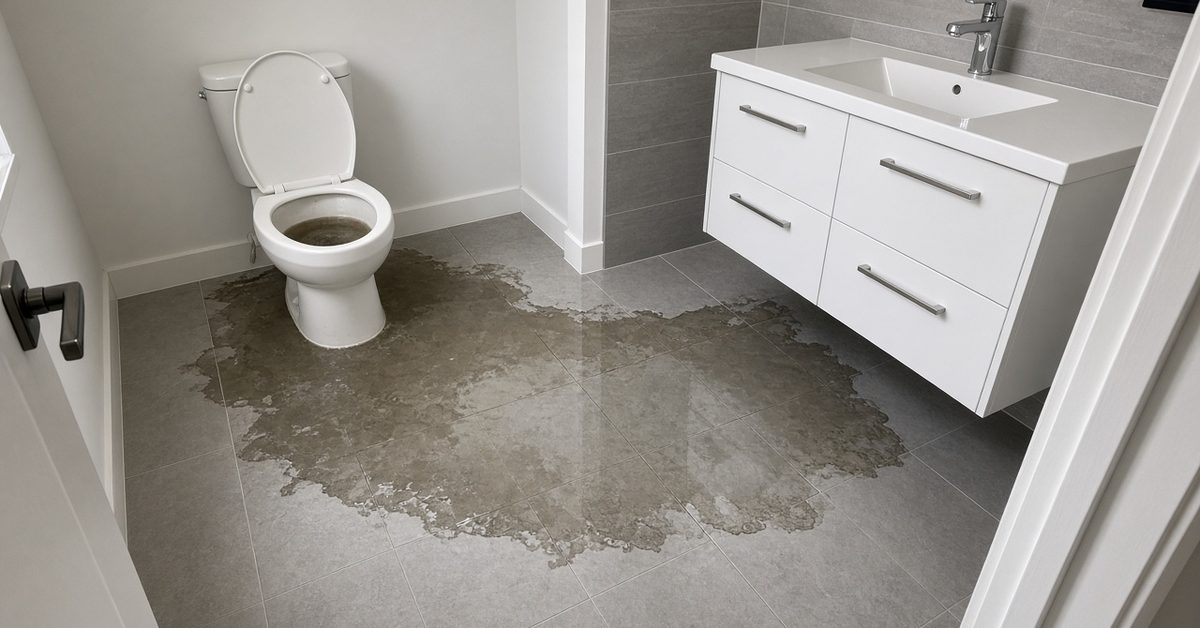
Sewage Backup in Colorado Homes and Why It Needs Professional Cleanup
Few things are more upsetting than finding dark, foul-smelling water coming up through a basement floor drain or overflowing from a toilet. Sewage backups happen more often than most people think, in older homes and newer ones alike. Whether you’re in Pueblo West, Greeley, or anywhere along the Front Range, the right response makes a big difference for your health and your home.
Here’s why sewer backups happen, what to do right away, and why cleanup needs to be handled by professionals.
Why Sewer Lines Back Up
- Tree roots. Roots grow into small cracks and joints in the sewer line between the house and the street, eventually blocking it.
- Old or damaged pipes. Older clay or cast iron lines can crack, sag, or collapse over time.
- Grease and debris. Cooking grease, wipes, and other items build up and narrow the line.
- Municipal system overload. Heavy storms can overwhelm sewer systems and push water back into homes through the lowest drain.
- Septic system problems. In rural and semi-rural areas, a full or failing septic system can back up into the house.
Why Sewage Is a Health Hazard
Sewage carries bacteria, viruses, and other contaminants. Industry standards treat it as the most contaminated category of water. That means it can’t be handled like a clean-water leak. Porous materials it touches, like carpet, pad, drywall, and insulation, usually can’t be safely cleaned and have to be removed.
What to Do Right Away
- Keep people and pets away from the affected area.
- Stop using water in the house. Every flush, shower, or load of laundry sends more water into a line that’s already backed up.
- Shut off power to the area if water is near outlets or appliances.
- Don’t try to clean it up yourself beyond a very small spill on a hard floor.
- Take photos of the damage for your insurance claim.
- Call a plumber to clear the line and a restoration company for the cleanup.
How Professional Sewage Cleanup Works
Professional sewage cleanup follows strict safety procedures. Technicians wear protective equipment and set up containment so contamination doesn’t spread to the rest of the house.
Standing sewage is extracted and disposed of properly. Our water removal equipment pulls water out of floors and materials quickly, which limits how far contamination spreads. Contaminated porous materials are removed. Hard surfaces like concrete, framing, and non-porous flooring are cleaned and disinfected.
Once the area is clean, drying begins. Air movers and dehumidifiers run until moisture readings confirm the structure is dry, then repairs start.
After the Cleanup
When the space is dry and repaired, it’s worth addressing the cause so it doesn’t happen again. A plumber can camera-inspect the sewer line to find roots, cracks, or sags. Depending on what they find, options include clearing roots, repairing or relining the pipe, or installing a backwater valve that stops sewage from flowing back into the house.
Insurance Considerations
Many standard homeowners policies exclude sewer backup unless you have a specific endorsement. It’s usually affordable to add, and after one backup, most homeowners wish they’d had it. Check your policy now rather than after the next backup.
Frequently Asked Questions
Can I clean up a small sewage backup myself?
A very small amount on a hard floor can sometimes be handled with gloves, disinfectant, and care. Anything that reaches carpet, drywall, or a larger area should be handled professionally, since contaminated porous materials usually need to be removed safely.
How do I know if it’s sewage or clean water?
Sewage usually comes up through floor drains, toilets, or tubs, looks dark or cloudy, and has a strong odor. Clean water leaks come from supply lines, water heaters, or appliances. If you’re unsure, treat it as contaminated until a professional checks it.
How long does sewage cleanup take?
Cleanup and disinfection often take a day or two, followed by several days of drying. Repairs come after that. Larger backups that reach finished basements take longer.
What is a backwater valve?
It’s a valve installed on your main sewer line that lets wastewater flow out but closes automatically when water tries to flow back in. It’s one of the most effective ways to prevent future backups.
Does insurance cover sewage backup?
Often only if you have a sewer and drain backup endorsement. Some policies cap that coverage at a set amount, so it’s worth checking your limits too.
Why does my basement drain back up but my upstairs toilets work fine?
The basement floor drain is usually the lowest opening in the house, so it’s the first place sewage appears when the main line is blocked. Upstairs fixtures may still drain because the water finds the lowest exit. It’s a sign the main line needs attention, not just one fixture.
Can a septic system cause a sewage backup?
Yes. In rural areas and parts of Pueblo West that rely on septic, a full tank, a clogged baffle, or a failing drain field can push wastewater back into the house. Regular pumping and inspection help prevent it, and the cleanup process is the same as a municipal sewer backup.
Local Help
We respond to sewage backups across the region, including Pueblo West and Greeley. If sewage has backed up into your home, call Property Craft at (719) 782-8629. We’re available 24/7.