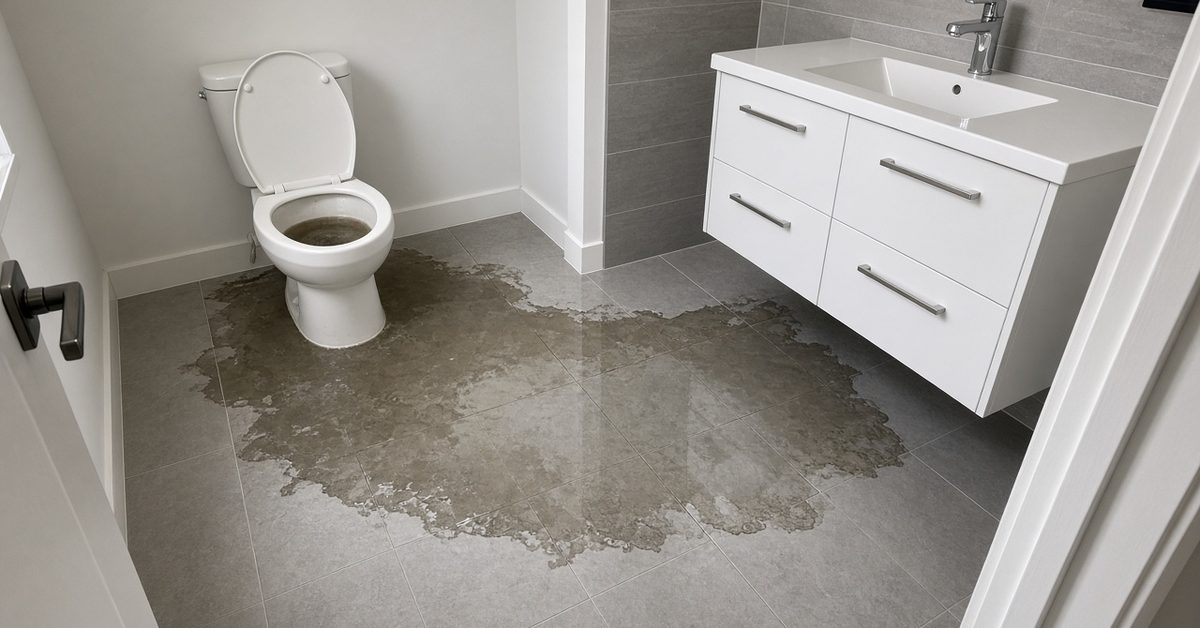
Few things are more upsetting than finding dark, foul-smelling water coming up through a basement…
What Does Sewage Backup Cleanup Cost in a Home in Pueblo?
Short answer: Sewage backup cleanup cost in a home in Pueblo depends on the square footage affected, how deep the sewage was, whether the area was finished, how many porous materials and belongings must be discarded, and how much rebuilding follows. Because sewage requires protective equipment, containment, disinfection, and proper disposal, it typically costs more than cleaning up clean water.
Pueblo has many older homes, especially in neighborhoods near downtown and the historic districts, with aging clay or cast iron sewer laterals. Tree roots, grease, and heavy storms can all trigger backups into basements and lower floors.
What drives sewage cleanup cost?
The main drivers are area affected, depth, finished materials, contents, and rebuild scope.
Why does sewage cost more than clean water?
Sewage requires extra safety, removal, disinfection, and disposal steps.
What does sewage backup cleanup include?
It includes containment, extraction, removal of porous materials, disinfection, drying, and rebuilding. Property Craft lists sewage cleanup among its water damage services.
How does insurance apply?
Many policies require a sewer backup endorsement. Report quickly and document.
Is financing available?
Property Craft advertises 0% short-term financing for restoration.
How does the square footage change the bill?
Square footage changes the bill because extraction, removal, disinfection, and drying are all priced by area or by the equipment an area needs. A backup confined to a 60-square-foot basement bathroom is a very different job from sewage spread across a 900-square-foot finished lower level with a bedroom, family room, and laundry.
In practice, cost tends to scale with:
- Floor area touched by sewage, which sets how much flooring and baseboard come out
- Wall height affected, which decides whether drywall is cut at 2 feet or 4 feet
- Number of rooms, since each room may need its own containment and air filtration
- Days of drying, because equipment is usually billed per unit per day
Why does a finished basement cost more than an unfinished one?
A finished basement costs more because carpet, pad, drywall, insulation, trim, and built-ins that sewage touches generally have to be removed and replaced rather than cleaned. In an unfinished basement with bare concrete and block walls, most surfaces can be cleaned and disinfected in place.
Typical removal list in a finished basement in Pueblo:
- Carpet and pad (porous, not salvageable after sewage)
- Drywall and insulation below the contamination line
- Wood baseboards and door casings
- Lower cabinet boxes made of particleboard
- Upholstered furniture, mattresses, and cardboard storage
What are the hidden costs people forget?
The most commonly forgotten costs are contents disposal, plumbing repair, and code-required updates during the rebuild. These may be billed by different trades.
- Plumber or sewer contractor to clear the blockage and camera the lateral
- Lateral repair or replacement if roots or a collapsed clay pipe caused the backup
- Backwater valve installation to reduce future risk
- Contents replacement for items that can’t be cleaned
- Temporary lodging if the only bathroom or bedrooms are unusable
How do you get water damage insurance claim help for a sewage backup?
Start by checking for a sewer or water backup endorsement, then document the loss before cleanup begins. Many standard homeowners policies exclude sewer backup unless that endorsement was added, and endorsements often carry their own lower limit.
Practical steps:
- Photograph the drain where sewage entered and every affected room
- Get the plumber’s written finding on the cause, such as roots or a city main surcharge
- Keep a list of discarded contents with approximate age and value
- Ask your restoration company for a line-item scope and drying logs
- Save receipts for emergency costs
If the backup was caused by a problem in the city’s main rather than your lateral, ask the City of Pueblo or your sewer provider about its claims process as well.
Can you lower the cost without cutting corners?
Yes, by acting fast, isolating the area, and fixing the cause promptly. Every hour sewage sits, it wicks higher into drywall and deeper into flooring, which expands removal.
- Stop all water use the moment you see a backup
- Close doors to the affected area and turn off HVAC returns there
- Call for cleanup the same day
- Don’t attempt DIY cleanup that spreads contamination
- Have the lateral inspected so the backup doesn’t repeat
Why do Pueblo’s older homes see more backups?
Older homes may have clay or cast iron laterals that crack, shift, or let roots in over time. Mature trees in established neighborhoods make root intrusion more likely.
How long does cleanup take?
Cleanup and drying usually take several days, followed by rebuilding. Larger areas take longer.
Related services: Pueblo service area
Frequently Asked Questions
Can I get a quote over the phone?
An inspection is needed for an accurate estimate.
What can be saved?
Hard, nonporous items can often be cleaned.
Is sewage backup dangerous?
Yes, it carries pathogens.
Call Property Craft Restoration
If sewage has backed up into your home in Pueblo, call Property Craft Restoration at (719) 782-8629.
Related Posts