Short answer: Burn scar runoff floods homes near Boulder because wildfire-burned soils can become water-repellent…
Is Thermal Imaging Worth It for Finding Hidden Leaks in Greeley?
Short answer: Yes, thermal imaging is usually worth it for hidden leaks in homes in Greeley because it shows temperature differences caused by evaporating water behind walls, ceilings, and floors without cutting them open. It’s a guide, not proof. Technicians confirm suspected wet areas with moisture meters, then use the results to target leak detection, drying, and repairs.
Greeley’s semi-arid climate and low humidity mean surfaces often dry quickly, which can hide water that’s still trapped inside walls or under flooring. Many homes in Greeley have finished basements and slab or crawl space foundations where leaks can go unnoticed.
How does thermal imaging find water?
Thermal cameras detect surface temperature differences, and wet materials often appear cooler because evaporation draws heat away. Hot-water leaks may appear warmer.
What can thermal imaging reveal?
It can reveal wet areas in walls, ceilings, and floors, missing insulation, and hot-water line leaks.
What are its limits?
Thermal imaging shows temperature, not moisture directly, so results must be confirmed with moisture meters. Reflections, sunlight, and HVAC vents can create false readings.
How does it support leak detection and water damage repair?
It helps target where to look, reducing unnecessary demolition and focusing repairs.
How does it help structural drying services?
Thermal imaging and moisture readings guide where to place drying equipment and verify progress. Property Craft lists thermal inspection and imaging and structural drying among its services.
How do you choose water damage restoration near me?
Look for a company that uses both thermal imaging and moisture meters and documents results.
What does a thermal scan look like in a real home in Greeley?
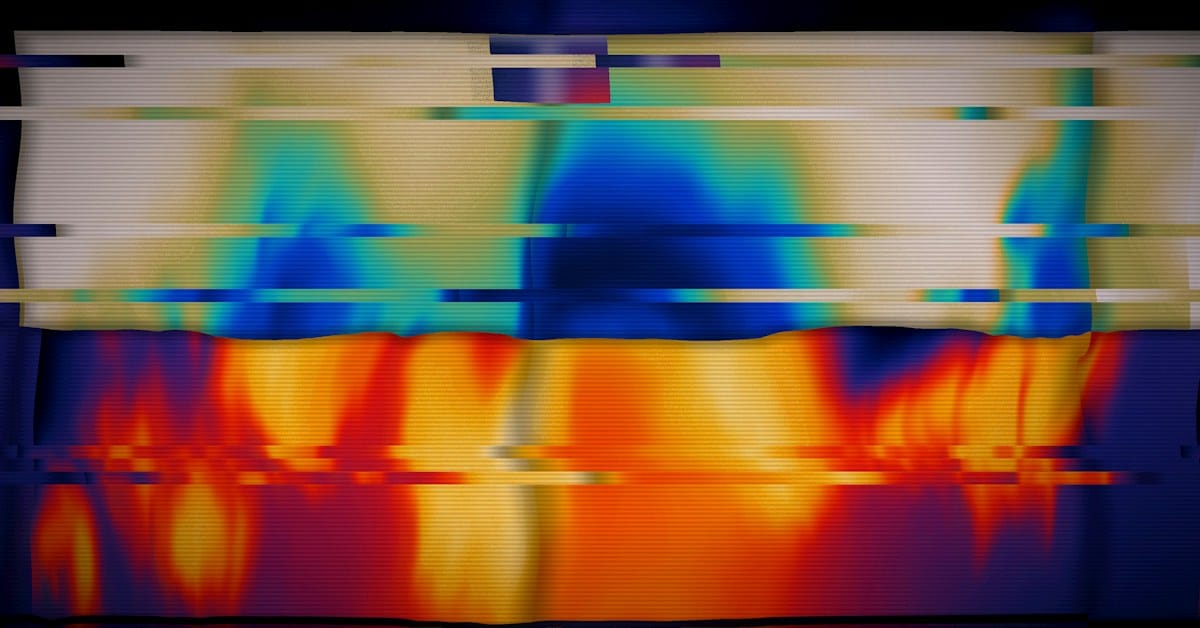
In a real scan, a technician walks each room with the camera, looking for irregular cool or warm patterns that don’t match framing, ductwork, or windows. Wet drywall often shows as a cooler blotch with soft, irregular edges, frequently along the base of a wall or spreading from a ceiling corner.
Common patterns:
- A cool band along the bottom of a wall next to a bathroom or kitchen, suggesting a supply or drain leak
- A cool fan shape on a ceiling below an upstairs bathroom
- A warm line across a slab floor, which can point to a hot-water line leak
- Cool streaks below a window, often from flashing or seal failures
Each suspicious area is then checked with a pin or pinless moisture meter to confirm.
When does thermal imaging work best?
Thermal imaging works best when there’s a meaningful temperature difference between wet and dry materials, which is often the case in Greeley’s dry air. Evaporation cools wet surfaces, and low indoor humidity increases evaporation.
Conditions that help:
- Stable indoor temperature
- No direct sun on the surfaces being scanned
- HVAC running normally for a while before the scan
- Hot-water systems running when looking for hot-line leaks
When is thermal imaging not worth relying on alone?
It’s not reliable on its own for very old leaks that have reached temperature equilibrium, behind highly reflective surfaces, or where insulation gaps mimic moisture patterns. That’s why a professional never makes a demolition decision from an image alone.
Situations that need extra tools:
- Tile showers, where moisture may be behind a dense backer
- Exterior walls with missing insulation
- Metal surfaces and glossy finishes that reflect heat
- Slow leaks inside concrete
How does it save money?
It saves money by narrowing where walls, ceilings, or floors need to be opened, so repairs are targeted instead of exploratory. Instead of cutting several holes to find a leak, the team opens the area most likely to contain it.
It also helps document the full extent of water for your insurer, which can reduce disputes over scope.
How does it help verify drying is complete?
A follow-up scan at the end of drying, paired with moisture readings, helps confirm that the cool wet patterns are gone. That gives you confidence before drywall is closed or flooring is installed. Property Craft offers thermal inspection and imaging along with structural drying and dehumidification.
What should homeowners in Greeley do if they suspect a hidden leak?
Start with a water meter test, look for clues like rising bills or stained baseboards, then schedule a professional inspection. Many homes in Greeley have finished basements, where hidden leaks can soak carpet pad and drywall before anyone notices.
What does an inspection report include?
A useful inspection report includes thermal images, moisture readings, a map of affected areas, and recommended next steps. It helps you, your plumber, and your insurer understand the scope.
When should you schedule a thermal inspection?
Schedule one when you see warning signs like stains, rising bills, or musty odors, or after any known leak to confirm the full extent.
Related services: Thermal Inspection & Imaging · Water Damage Restoration in Greeley
Frequently Asked Questions
Can thermal imaging see through walls?
No. It reads surface temperature, which can indicate what’s behind.
Is it expensive?
It’s often part of a professional water damage assessment.
Does Property Craft serve Greeley?
Yes, Greeley is one of its service areas.
Call Property Craft Restoration
For thermal leak inspection in Greeley, call Property Craft Restoration at (719) 782-8629.
Related Posts