Short answer: Yes, thermal imaging is usually worth it for hidden leaks in homes in…
How Does Burn Scar Runoff Flood Homes Near Boulder?
Short answer: Burn scar runoff floods homes near Boulder because wildfire-burned soils can become water-repellent and lose the vegetation that slows rain. Even a short, intense thunderstorm can send fast-moving water, ash, mud, and debris down slopes and drainages into neighborhoods below. Homes downstream of burned areas can face flood risk for several years after a fire.
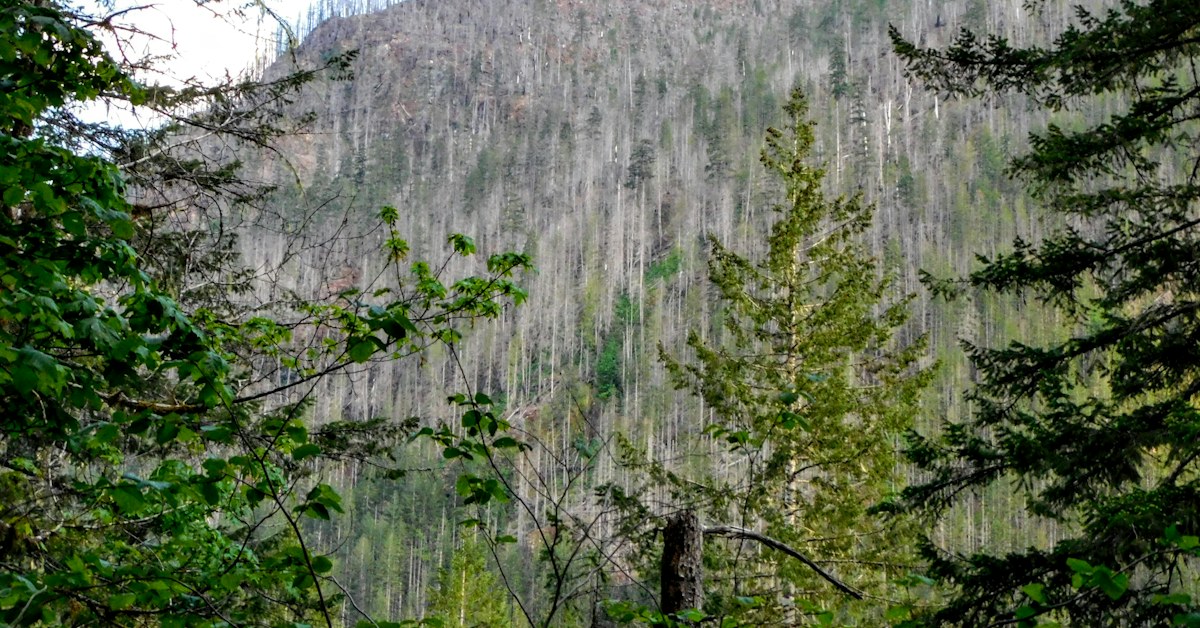
Boulder County has experienced major wildfires in recent decades, including the Fourmile Canyon Fire in 2010, the Calwood Fire in 2020, and the Marshall Fire in December 2021, which destroyed about 1,000 homes in Louisville, Superior, and unincorporated Boulder County. Burned foothill terrain changes how water moves during summer monsoon storms.
Why do burned soils shed water?
Intense heat can create a water-repellent layer in the soil and removes plants and duff that normally absorb rainfall. Rain runs off instead of soaking in.
Who is at risk?
Homes below burned slopes, near drainages, and in canyon mouths face the greatest risk.
What does burn scar flooding bring into homes?
It brings mud, ash, rocks, and debris along with water, which makes cleanup more involved than clear-water flooding.
What does flood damage restoration involve?
Flood damage restoration includes removing mud and debris, tearing out contaminated materials, cleaning, drying, and rebuilding.
How is a flooded basement cleaned up?
Flooded basement cleanup removes water and sediment, discards porous materials, cleans surfaces, and dries the space. Property Craft lists flooded basement and crawl space services.
What do water mitigation services do here?
Water mitigation services stop further damage and stabilize the home.
How fast can burn scar flooding arrive?
Burn scar flooding can arrive within minutes of intense rain, sometimes before rain even reaches the neighborhood below. Storms over the foothills can dump heavy rain on a burned slope while skies are dry downstream. Water collects in drainages and canyons and moves quickly.
That’s why the National Weather Service issues flash flood warnings specifically for burn areas, and why residents below burn scars are encouraged to sign up for county emergency alerts.
What makes the water so destructive?
Burn scar runoff carries ash, sediment, rocks, and woody debris, so it behaves more like a slurry than clear water. That debris can block culverts and redirect flow toward homes, and it fills window wells, crawl spaces, and basements with mud.
Inside the home, it often leaves:
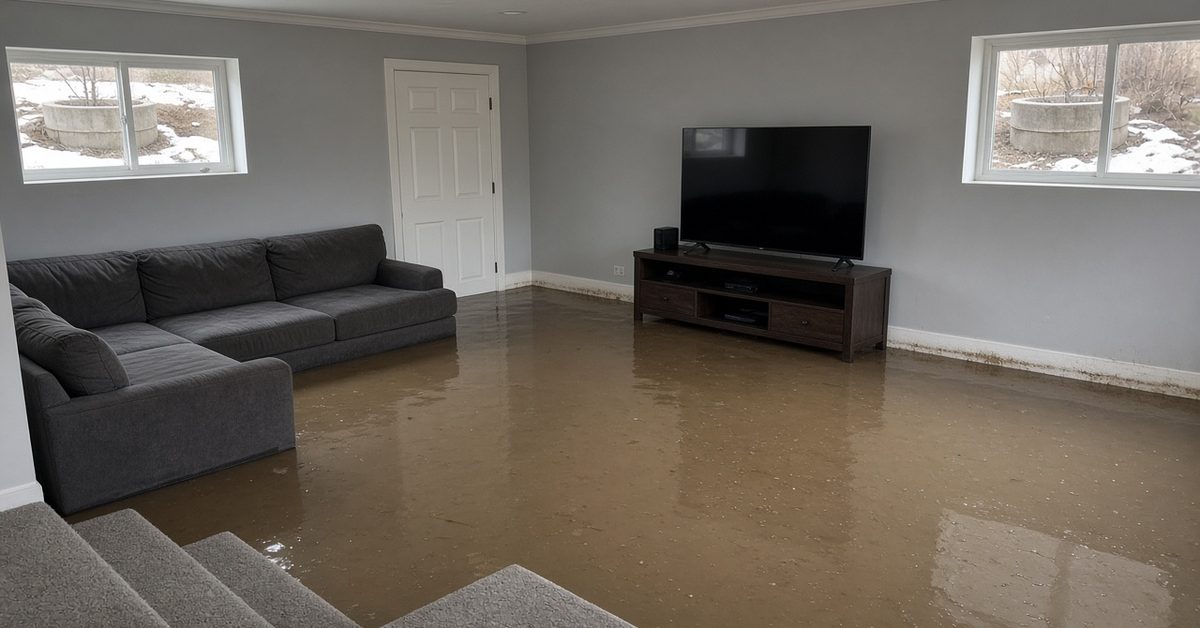
- A layer of fine ash and silt on floors
- Mud packed into wall cavities through window wells
- Debris clogging floor drains and sump pits
- Saturated drywall, insulation, and carpet
What should you do right after runoff enters your home?
Stay out until it’s safe, then document, shut off utilities as needed, and call for help.
- Wait for authorities to say the area is safe
- Don’t enter standing water near electrical equipment
- Wear boots, gloves, and eye protection
- Photograph the waterline, mud, and debris
- Call your insurer and a restoration company
Why does mud change the cleanup?
Mud and ash must be removed before drying can work, because they hold moisture and contaminants against surfaces. Shoveling, scraping, and rinsing come first, followed by cleaning and sanitizing.
Typical sequence for flood damage restoration after debris flow:
- Remove mud and debris by hand and with equipment
- Extract remaining water
- Remove wet drywall, insulation, carpet, and pad
- Clean and sanitize framing and concrete
- Dry with dehumidifiers and air movers
- Rebuild once readings confirm dry
What do water mitigation services do in the first days?
Water mitigation services stabilize the home by removing water and debris, protecting contents, and starting drying so damage doesn’t spread. They may also include temporary protection such as boarding broken windows or doors.
Property Craft offers water mitigation and has a dedicated page for Longmont and flood damage restoration in Boulder.
How can you protect a home below a burn scar?
Reduce risk by keeping drainage paths clear, protecting window wells, and reviewing flood coverage.
- Keep culverts, ditches, and drainage swales clear of debris
- Install window well covers and consider barriers where advised
- Keep a sump pump with battery backup in good working order
- Move valuables out of basements
- Check whether flood insurance is available and appropriate, noting waiting periods
- Follow guidance from Boulder County Office of Emergency Management
How does the 2013 flood inform today’s risk?
The September 2013 floods in Colorado showed how prolonged heavy rain can turn creeks along the Front Range into destructive torrents, and burn scars can amplify that risk in smaller storms. Many Boulder County drainages were reshaped during that event, and post-fire conditions add another layer of risk.
Who should consider flood insurance?
Homeowners downstream of burn scars or near drainages should consider flood insurance, even outside high-risk zones. Waiting periods apply, so buy before storm season.
Related services: Longmont & Boulder Flood Damage Restoration · Flooded Basement & Crawl Space
Frequently Asked Questions
How long does burn scar flood risk last?
Often several years, until vegetation recovers.
Does homeowners insurance cover mudflow?
Many policies exclude it. NFIP flood coverage may include certain mudflows.
How can I prepare?
Sign up for county alerts and review flood insurance.
Call Property Craft Restoration
If runoff has flooded your home near Boulder, call Property Craft Restoration at (719) 782-8629.
Related Posts