Mold growth is not just a nuisance; it’s a serious issue that can impact your…
Does Mold Go Away on Its Own?
No. Mold does not go away on its own. Without active remediation that removes the affected material or treats the growth at its source, mold remains in the structure indefinitely. It may slow its growth rate when conditions become less favorable, but it does not die and disappear. When moisture returns, growth resumes.
This is one of the most persistent misconceptions homeowners hold about mold. Understanding what mold actually does when untreated changes the decision about whether and when to address it.
What Mold Does When Left Alone
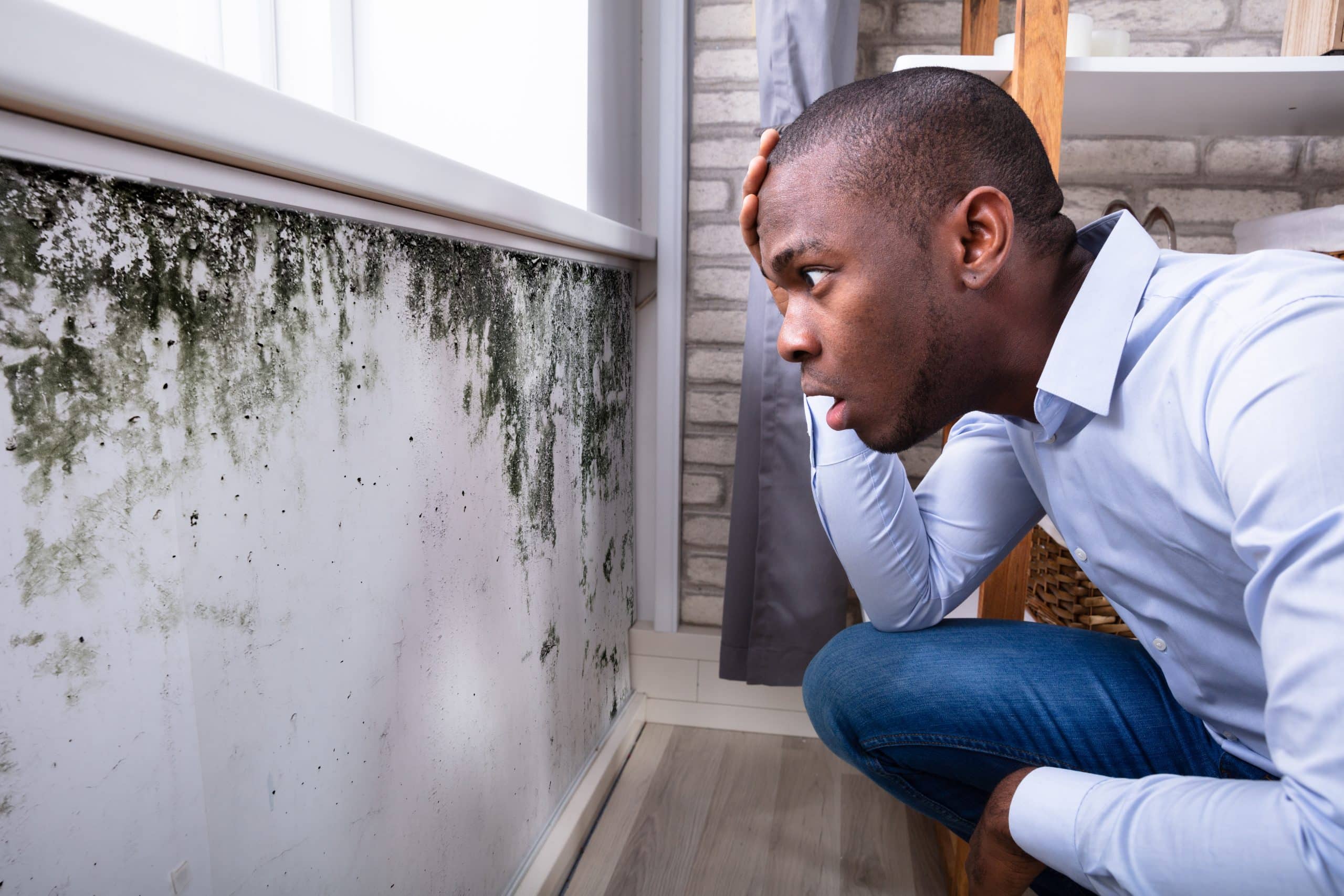
Mold colonies produce spores continuously. Those spores travel through the air, settle on other surfaces throughout the home, and establish new colonies wherever they find sufficient moisture. An untreated mold problem in one wall cavity does not stay in that wall cavity. It spreads, slowly and invisibly, to adjacent materials and areas.
The structural materials mold grows on are being digested. Wood framing, drywall paper, and insulation backing are all organic materials that mold feeds on. Over time, this degradation compromises the integrity of those materials. A joist that has hosted an active mold colony for several years is not the same structural member it was before the mold established.
Homeowners in Loveland and the Boulder area who discover mold in a crawl space or wall cavity and choose to monitor it rather than address it are watching the problem get larger, not waiting to see if it resolves. Mold remediation in Loveland addresses the growth before the structural degradation compounds and before the spore distribution establishes colonies in additional areas of the home.
Can Mold Dry Out and Become Inactive?
Mold can enter a dormant state when moisture is removed. In dormancy, growth slows dramatically. But dormant mold is not dead mold. The colony remains in the material, the spores remain viable, and when moisture returns, growth resumes as though it never stopped. Dried-out mold is not resolved mold.
This is particularly relevant in climates with seasonal moisture swings. A mold colony that slows during a dry summer season reactivates with the first snowmelt intrusion or humidity increase of fall. The cycle continues indefinitely until the growth is physically removed or the affected material is replaced.
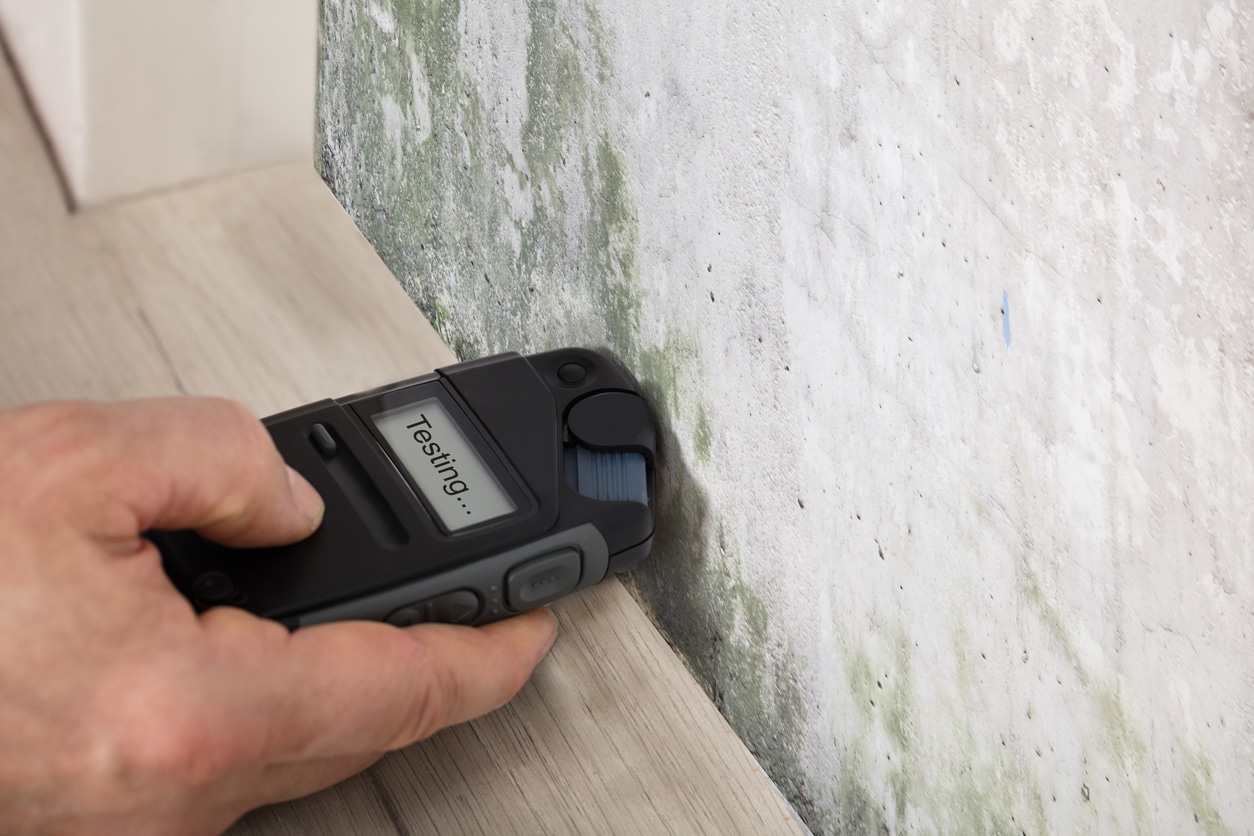
Properties in Colorado Springs and Pueblo that experience wildfire smoke infiltration or snowmelt seepage followed by dry periods may appear to have resolved a mold problem when the visible growth slows. Professional mold assessment in Colorado Springs uses moisture meters to confirm whether the colony is actually dry or simply dormant, and whether the source of moisture has been eliminated or just temporarily reduced.
How Do You Permanently Get Rid of Mold?
Permanent mold elimination requires two things: removing or treating the existing growth completely, and eliminating the moisture source that allowed it to establish. Address only the growth without fixing the moisture, and the mold returns. Fix the moisture without properly treating the existing growth, and the dormant colony reactivates.
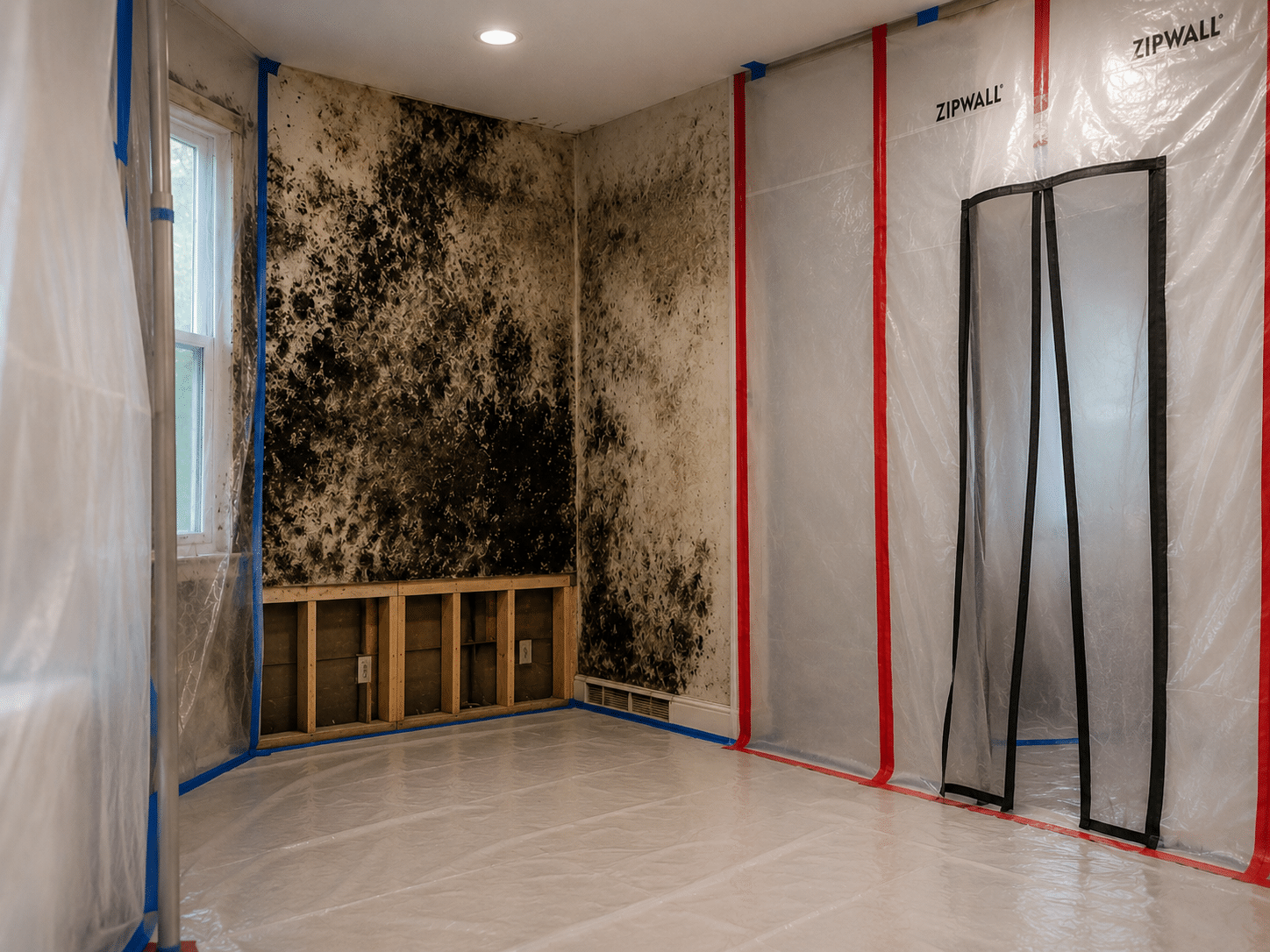
Professional mold remediation removes affected porous materials that cannot be fully treated, treats adjacent structural materials with antimicrobial agents, addresses the moisture source, and confirms with post-remediation testing that the area has returned to normal fungal levels.
For homeowners in Boulder and Longmont with mold in finished basement spaces, a complete remediation requires opening the wall assembly to address what is inside it, not just cleaning the visible surface. IICRC certified mold remediation in Boulder and Longmont follows a documented protocol that includes containment to prevent cross-contamination during remediation, air filtration throughout the process, and clearance testing to confirm the work is complete.
Is a Small Amount of Mold Dangerous?
Any active mold growth in a living space produces spores and mycotoxins continuously. The health risk depends on the species of mold, the volume of growth, the ventilation of the space, and the sensitivity of the occupants. Some people experience no symptoms from low-level mold exposure. Others experience significant respiratory effects, allergic reactions, and other health impacts.
The more relevant question is whether a small amount of mold is likely to stay small. Left untreated with an unaddressed moisture source, it will not. The growth that appears limited today is the foundation for a larger problem in the next wet season.
What Bleach Does and Does Not Do
Bleach kills surface mold on non-porous materials. It does not penetrate porous materials like drywall, wood framing, or insulation to reach the colony growing inside them. Applying bleach to a moldy wall surface kills the visible surface growth and leaves the colony inside the material intact. The surface looks clean. The mold continues to grow behind it.
Homeowners in Pueblo who have treated visible mold with bleach and found it returning within weeks are experiencing exactly this. Mold remediation and water damage restoration in Pueblo removes the affected material and treats the structural components behind it, addressing the full colony rather than the visible symptom.
Frequently Asked Questions
Q: Does mold go away on its own?
A: No. Mold does not self-resolve without active remediation. It may slow growth when conditions become less favorable, but the colony remains viable and resumes growth when moisture returns. Without removing the growth and eliminating the moisture source, a mold problem persists and expands indefinitely.
Q: Can mold dry out and become inactive?
A: Mold can enter a dormant state in dry conditions, but dormant mold is not dead mold. The colony remains in the material and resumes active growth when moisture returns. Dried-out visible mold is not resolved mold. Professional remediation removes or treats the growth and confirms the moisture source is eliminated.
Q: How do you permanently get rid of mold?
A: Permanent mold resolution requires two actions: removing or fully treating the existing growth in both visible areas and inside affected materials, and permanently eliminating the moisture source. Treating growth without fixing the moisture, or fixing the moisture without properly treating the growth, both produce temporary results. Post-remediation clearance testing confirms both have been accomplished.
Q: Is a little bit of mold in a house dangerous?
A: Any active mold growth produces spores and mycotoxins. The health risk varies by mold species, growth volume, and occupant sensitivity. More practically, small mold problems rarely stay small without intervention. The more important question is whether the moisture source is active, because if it is, the small problem is in the process of becoming a larger one.
Found mold in your home? Call Property Craft for professional assessment and certified remediation across Loveland, Boulder, Longmont, Pueblo, and Colorado Springs.
Related Posts